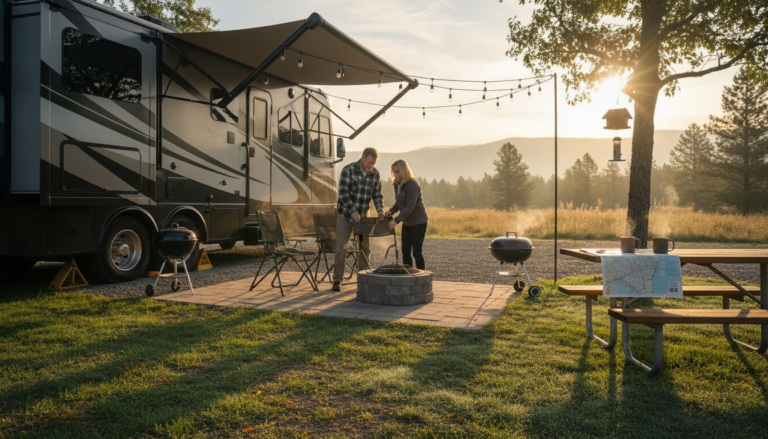
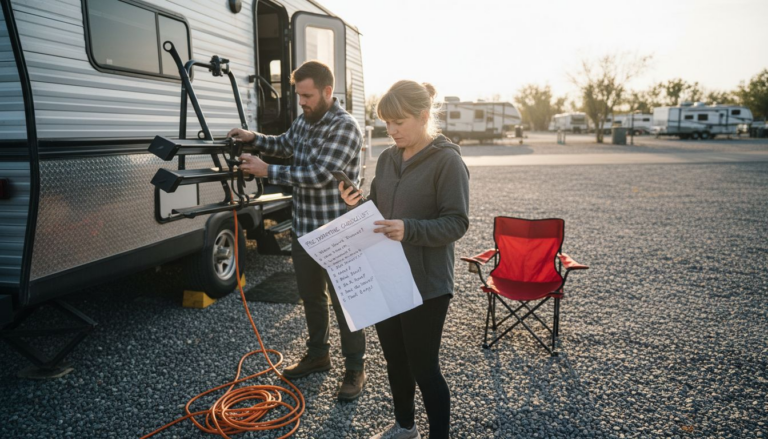
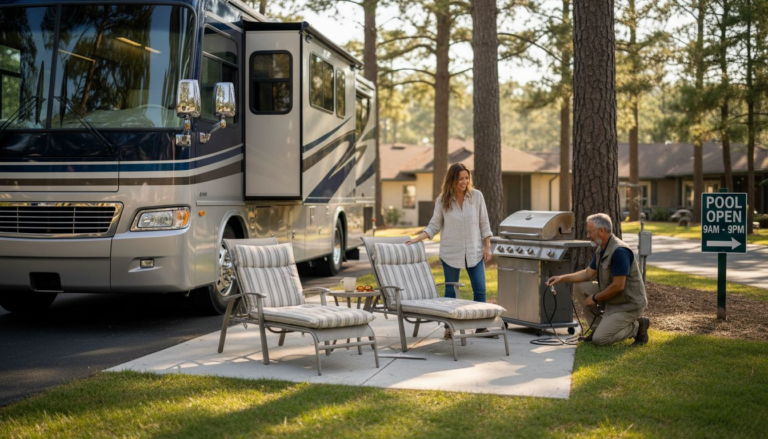
More than eleven million American households now own a recreational vehicle, making RV parks a central part of the travel experience in the United States. From luxurious motorhomes to compact campers, understanding RV park terminology helps travelers find comfort and convenience on the road. This essential guide breaks down the basics, site options, amenities, and must-know policies so every American RV enthusiast can navigate their next adventure with confidence.
Table of Contents
- Defining RV Park Terminology And Basics
- Types Of RV Sites And Accommodations
- Essential Amenities And Onsite Features
- Common Reservation And Fee Terms Explained
- RV Classifications And Hookup Options Decoded
- Typical Park Policies And Etiquette Guidelines
Key Takeaways
| Point | Details |
|---|---|
| Understanding RV Types | RVs are classified into motorized and towable units, each offering different features suited for various travel styles. |
| Diverse RV Park Accommodations | Modern RV parks offer options beyond traditional campsites, like glamping and cabin experiences, catering to varying comfort levels. |
| Essential Amenities | RV parks now feature comprehensive amenities such as bathhouses, Wi-Fi, and recreational facilities, enhancing the traveler experience. |
| Know Reservation Terms | Understanding key terms like deposits and site-specific fees is crucial for effectively navigating RV park reservations. |
Defining RV Park Terminology and Basics
RV parks serve as essential destinations for travelers seeking temporary accommodations with their recreational vehicles. The RV Industry Association defines recreational vehicles as specialized vehicular units designed for temporary living during camping, travel, and seasonal adventures. These mobile living spaces range from compact truck campers to expansive motorhomes, each offering unique features and capabilities for road travel.
Recreational vehicles are categorized into two primary classifications: motorized and towable units. Motorized RVs include three distinct types: Type A (largest and most luxurious), Type B (smallest and most compact), and Type C (mid-sized with a distinctive cab-over design). Towable RVs encompass various styles such as travel trailers, fifth-wheel trailers, folding camping trailers, and expandable trailers that connect to a towing vehicle.
Understanding RV terminology is crucial for navigating the world of mobile travel. Key terms include hookups (electrical, water, and sewage connections), pull-through sites (spaces allowing direct entry and exit without backing up), and dry camping (staying in locations without utility connections). RV enthusiasts should recognize that these vehicles are designed for recreational purposes and are not intended for permanent residence, adhering to specific safety standards like NFPA 1192 and ANSI A119.5 for park model RVs.
The complexity of RV classifications reflects the diversity of traveler needs. From luxurious Class A motorhomes that provide hotel-like amenities to compact pop-up trailers perfect for weekend adventures, each RV type offers a unique approach to mobile living. Understanding these distinctions helps travelers select the perfect recreational vehicle for their specific travel style, comfort requirements, and budget.
Types of RV Sites and Accommodations
RV parks and resorts offer a diverse range of accommodations to suit various traveler preferences and needs. According to the 2019 ARVC Industry Trends and Insights Report, 65% of RV parks now provide accommodations beyond traditional campsites, reflecting the evolving landscape of recreational travel. These options include modern cabins, rustic cabin experiences, park model units, and modern RV trailers, each catering to different comfort levels and travel styles.
Full Hookup (FHU) Sites represent the gold standard of RV accommodations, providing complete utility connections including electrical, water, and sewer hookups. Back-in Sites require travelers to maneuver their RV in reverse, while pull-through sites allow for easier entry and exit without complex positioning. Some parks also offer dry camping or boondocking options for more adventurous travelers seeking a more primitive experience without utility connections.
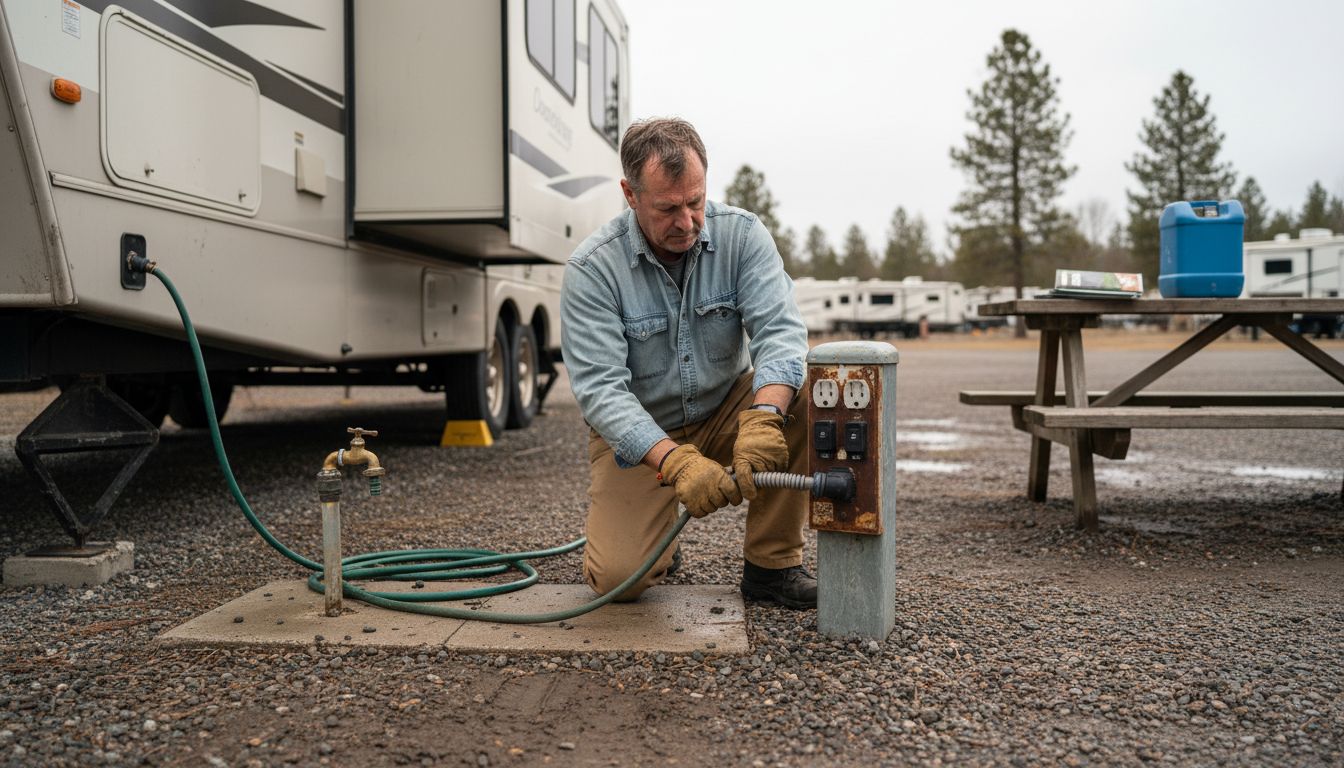
Beyond traditional RV sites, modern parks have expanded their offerings to include alternative accommodations. Glamping options have gained popularity, providing luxurious outdoor experiences with amenities that bridge the gap between camping and hotel stays. These might include fully furnished cabins, platform tents, or specialty lodging units that offer comfort and convenience for travelers who want a more refined outdoor experience.
The diversity of RV site types reflects the changing landscape of recreational travel. From basic campgrounds to luxury RV resorts with extensive amenities, travelers can choose experiences ranging from rustic wilderness settings to resort-style accommodations with swimming pools, fitness centers, and community spaces. Understanding these varied options helps RV enthusiasts select the perfect site that matches their travel style, comfort preferences, and budget constraints.
Essential Amenities and Onsite Features
Campground amenities play a crucial role in defining the overall experience for RV travelers. According to AARP’s comprehensive guide, modern RV parks offer a wide range of shared facilities designed to enhance comfort and convenience. These typically include bathhouses, laundry facilities, recreation rooms, and communal recreational spaces that transform a simple campsite into a comprehensive travel destination.
Utility Connections represent the backbone of RV park amenities. Full hookup sites provide essential services including 30 and 50-amp electrical connections, potable water hookups, and sewer connections. Beyond basic utilities, luxury RV resorts often feature additional amenities such as Wi-Fi hotspots, cable television connections, and dedicated spaces for waste disposal. The Virginia Department of Conservation and Recreation recommends evaluating site location and proximity to bathhouses as critical factors in selecting the ideal camping spot.
Recreational amenities have become increasingly sophisticated in modern RV parks. Many now offer resort-style features like swimming pools, fitness centers, pickleball courts, outdoor grills, and community gathering spaces. These amenities transform RV parks from simple overnight stops into comprehensive vacation destinations. Specialized facilities such as dog parks, children’s play areas, and organized community activities provide additional value for travelers seeking more than just a place to park their recreational vehicle.
The evolution of RV park amenities reflects changing traveler expectations. Modern RV enthusiasts seek more than just a basic parking spot – they want comprehensive experiences that combine the freedom of mobile travel with the comforts of a high-end resort. From spa-like bathhouses to advanced technological connections and extensive recreational facilities, today’s RV parks are designed to meet the diverse needs of a sophisticated traveling community.
Common Reservation and Fee Terms Explained
RV park reservations involve a complex system of terminology and pricing structures that can be challenging for travelers to navigate. According to research from Branson Lakeside RV Park, site pricing varies significantly based on amenities, location, and specific site characteristics. Nightly rates typically range from $55 to $58 for standard sites, with variations depending on electrical hookup types, site size, and additional features.
Key Reservation Terms include several critical concepts travelers should understand. Non-refundable deposits are standard practice, requiring payment of the first night’s stay to secure a reservation. Pull-through sites represent premium locations allowing direct entry and exit without backing up, often commanding slightly higher rates. Back-in sites require more maneuvering but may offer lower pricing. Length of stay discounts frequently apply for weekly or monthly reservations, providing cost savings for extended travelers.
Site-Specific Fees can include additional charges beyond the base nightly rate. National Parks Traveler’s comprehensive RVing guide highlights the importance of understanding potential extra costs such as utility connections, pet fees, additional vehicle charges, and seasonal pricing variations. Some RV parks implement peak season pricing, where rates increase during high-demand periods like summer months and holiday weekends.
Modern RV parks have developed increasingly sophisticated reservation systems that allow travelers to book sites online, view real-time availability, and understand exact pricing structures. Travelers should carefully review reservation policies, noting details about cancellation windows, deposit requirements, and potential penalties for late changes or no-shows. Understanding these terms can help RV enthusiasts plan more effectively and avoid unexpected expenses during their travel adventures.
RV Classifications and Hookup Options Decoded
RV classifications represent a complex ecosystem of mobile living spaces designed for travelers seeking flexibility and comfort. The RV Industry Association categorizes recreational vehicles into two primary classifications: motorized and towable units. Motorized RVs encompass three distinct types: Type A (the largest and most luxurious), Type B (the smallest and most compact), and Type C (a mid-sized option with a distinctive cab-over design).
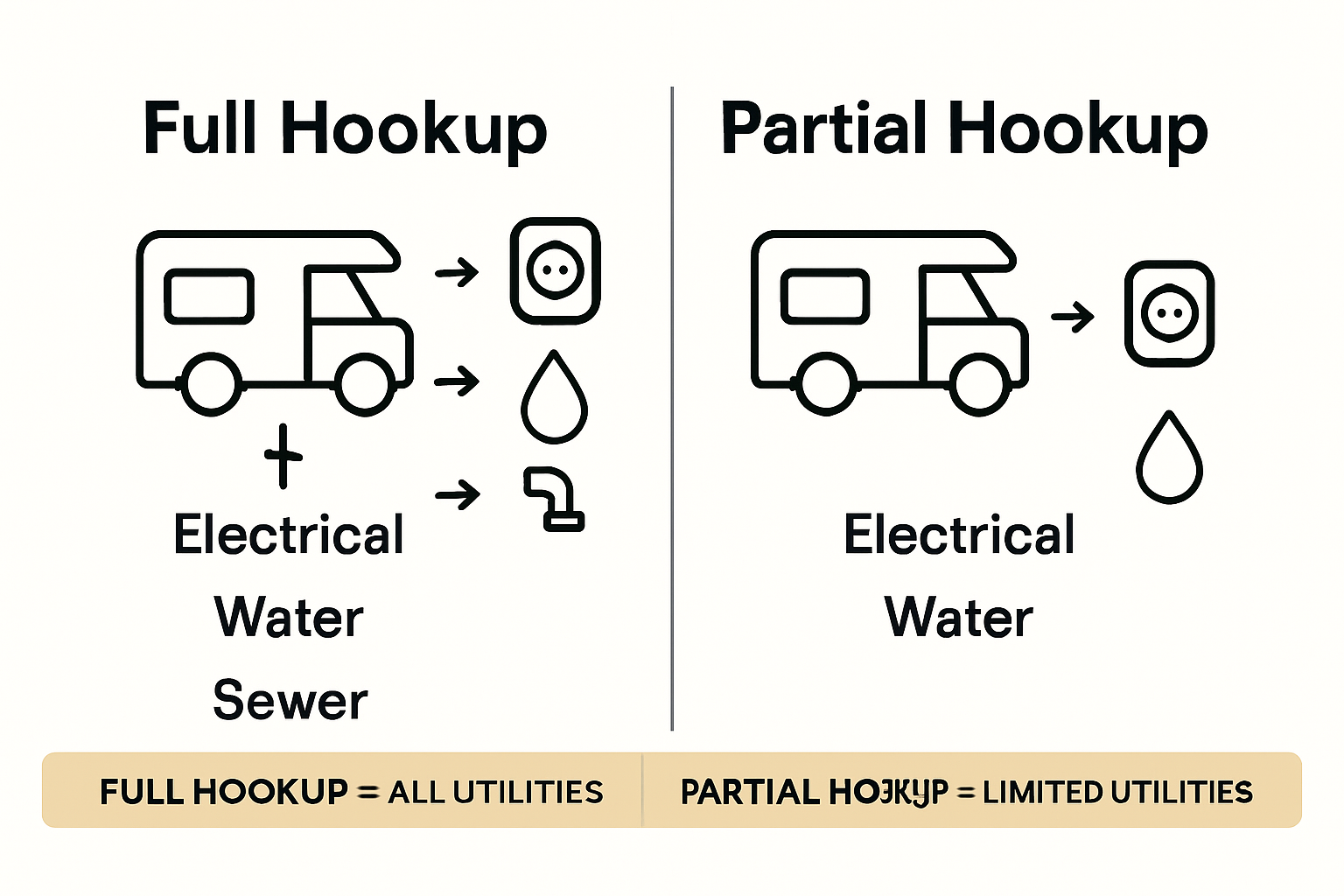
Towable RVs offer diverse options for travelers who prefer to separate their living quarters from their transportation. These include conventional travel trailers, fifth-wheel trailers, folding camping trailers, truck campers, and expandable trailers. Each type provides unique advantages, from compact truck campers ideal for minimalist travelers to spacious fifth-wheel trailers offering residential-style living spaces. Hookup options play a crucial role in determining an RV’s functionality, ranging from full hookups (providing water, electrical, and sewer connections) to partial hookups and dry camping sites.
Understanding hookup configurations is essential for RV travelers planning their journeys. Full hookup (FHU) sites represent the premium option, offering comprehensive utility connections that support extended stays and maximum comfort. Partial hookups typically provide electrical and water connections but may lack dedicated sewer facilities. Dry camping sites, also known as boondocking locations, offer minimal or no utility connections, appealing to adventurous travelers seeking more primitive experiences.
The sophistication of modern RV design reflects the evolving needs of travelers seeking mobile lifestyle solutions. From compact campervans to expansive motorhomes with slide-out sections, today’s RV market offers unprecedented diversity. Travelers can select vehicles and sites that precisely match their travel style, comfort requirements, and budgetary constraints, making recreational vehicle travel more accessible and enjoyable than ever before.
Typical Park Policies and Etiquette Guidelines
RV park policies form the cornerstone of a harmonious camping experience, establishing clear expectations for behavior and community interactions. Municipal regulations define specific guidelines that help maintain order and ensure a positive environment for all travelers. Check-in and check-out times, occupancy limits, and vehicle size restrictions represent fundamental policy considerations that vary between different RV parks and destinations.
Community Etiquette plays a critical role in creating a respectful camping environment. The Virginia Department of Conservation and Recreation emphasizes the importance of maintaining quiet hours, typically enforced between 10 pm and 6 am, to ensure peaceful rest for all guests. Additional unwritten rules include keeping noise levels moderate, cleaning shared spaces, respecting neighboring sites’ privacy, and maintaining a clean campsite. Waste management and responsible pet ownership are particularly important aspects of campground etiquette.
Most RV parks establish specific regulations regarding vehicle placement, outdoor equipment, and site maintenance. Site boundaries must be carefully observed, with travelers expected to keep their equipment within designated spaces. Generator usage often comes with specific time restrictions, typically limited to daylight hours to minimize noise disruption. Some parks implement additional rules about outdoor lighting, awning deployment, and the use of external entertainment systems to maintain a considerate community atmosphere.
Understanding and respecting park policies goes beyond mere compliance – it represents a commitment to creating a positive shared experience. Experienced RV travelers recognize that these guidelines are designed to balance individual freedom with collective comfort. By approaching park rules with a spirit of cooperation and mutual respect, travelers can ensure an enjoyable environment that allows everyone to appreciate the unique joys of RV community living.
Master RV Park Terminology and Experience True Luxury in Texas Hill Country
Understanding RV park terminology such as full hookup sites, pull-through spaces, and dry camping can be challenging when planning your next adventure. If you want a hassle-free experience that delivers comfort, convenience, and top-notch amenities, discovering the right RV resort is key. At Horseshoe Ridge RV Resort, we eliminate the guesswork by offering spacious full hookup sites, cozy cabins, and a wide variety of recreation options that elevate your stay.
Whether you are navigating reservation terms or evaluating which RV class fits your style, our resort caters to all travelers seeking a blend of luxury and outdoor relaxation. Explore our resort’s extensive amenities including a massive pool, pickleball courts, and spa-like bathhouses that complement your RV lifestyle. Don’t wait to upgrade your next trip with an unforgettable stay in the heart of the Texas Hill Country. Secure your spot today by visiting our booking page and prepare to experience RV camping like never before.
Frequently Asked Questions
What is the difference between motorized and towable RVs?
Motorized RVs are self-propelled vehicles, including Class A, B, and C motorhomes, whereas towable RVs require a separate vehicle for towing, such as travel trailers and fifth-wheel trailers.
What are full hookup sites, and what do they include?
Full hookup (FHU) sites provide complete utility connections, including electrical, water, and sewer hookups, making them ideal for longer stays and maximizing comfort.
What does dry camping mean in the context of RV parks?
Dry camping, also known as boondocking, refers to staying in locations without utility connections, appealing to more adventurous travelers seeking a primitive experience.
How can I understand RV park policies and etiquette guidelines?
RV park policies outline check-in/out times, occupancy limits, and behavior expectations. Etiquette includes observing quiet hours, managing waste responsibly, and respecting fellow campers’ privacy.
Recommended
- RV Resort Terminology Explained: Complete Guide | Horseshoe Ridge RV
- Complete Guide to Types of RV Sites | Horseshoe Ridge RV
- Complete Guide to RV Resort Reservation Processes | Horseshoe Ridge RV
- The Essential Guide to Luxury RV Park Benefits | Horseshoe Ridge RV
- 8 Must-Know RV Camping Essentials for Outdoor Comfort – Hazli Collection