Planning a family RV trip sounds like the ultimate freedom on wheels. Families across America are hitting the road more than ever, with RV ownership rising by over 60 percent in the past decade. You might expect chaos or stress with all those moving parts and personalities. Not quite. Because with the right steps, the travel planning itself becomes part of the adventure and sets your family up for unforgettable memories long before you even leave the driveway.
Table of Contents
- Step 1: Assess Your Family’s Travel Needs
- Step 2: Create a Detailed Itinerary
- Step 3: Budget For All Trip Expenses
- Step 4: Prepare The RV For Your Journey
- Step 5: Pack Essentials And Additional Comforts
- Step 6: Review And Confirm Travel Arrangements
Quick Summary
| Key Point | Explanation |
|---|---|
| 1. Assess Family Travel Needs | Evaluate each family member’s preferences and limitations for a satisfying trip experience. |
| 2. Create a Flexible Itinerary | Develop a detailed route with clear destination goals and allow room for spontaneity. |
| 3. Budget for All Expenses | Use a detailed spreadsheet to track costs and allocate funds for unexpected expenses. |
| 4. Thoroughly Prepare the RV | Conduct a comprehensive mechanical inspection and stock essential emergency supplies. |
| 5. Review Travel Arrangements Together | Compile all reservations and confirm details during a family meeting for clarity and excitement. |
Step 1: Assess Your Family’s Travel Needs
Successful family RV trip planning begins with a comprehensive understanding of your unique family dynamics and travel preferences. This crucial first step involves carefully evaluating each family member’s needs, expectations, and comfort levels to create a travel experience that satisfies everyone.
Start by gathering your entire family for an open and honest discussion about the upcoming RV adventure. Communication is key when planning a trip that will keep everyone engaged and excited. Consider the age ranges, individual interests, and physical capabilities of each family member. A trip that works for teenagers will look very different from one designed for young children or multi generational travelers.
Carefully assess each family member’s travel comfort and potential limitations. Some individuals might have specific health considerations or mobility requirements that need special attention. According to the International Drivers Association, evaluating health status and accounting for potential climate impacts can significantly improve travel comfort and safety.
Next, create a collaborative planning session where everyone contributes ideas. Young children can help choose activities, while teenagers might research potential stops or attractions. This approach not only makes planning more inclusive but also builds anticipation for the trip. Involve everyone in the decision making process to ensure a sense of shared excitement and investment.
Consider creating a family travel preferences matrix that captures essential information:
- Individual activity interests
- Preferred travel pace
- Comfort levels with outdoor activities
- Dietary requirements
- Physical activity tolerances
By systematically addressing these elements, you transform trip planning from a potential source of stress into an engaging family bonding experience.
Remember that flexibility is crucial your initial plan might need adjustments as you discover more about your family’s collective travel style.
Successful assessment means you have a clear understanding of your family’s travel personality. Signs of a thorough assessment include enthusiastic participation from all family members, a preliminary itinerary that reflects diverse interests, and a sense of shared excitement about the upcoming adventure.
Step 2: Create a Detailed Itinerary
Transforming your initial family travel assessment into a comprehensive RV trip itinerary requires strategic planning and careful consideration. A well crafted itinerary transforms potential chaos into a smooth traveling experience that balances structure with flexibility for unexpected adventures.
Begin by selecting your primary destinations and plotting a realistic route that considers your RV’s capabilities and your family’s travel pace. Map out potential stopping points, including campgrounds, scenic overlooks, and points of interest that align with your family’s previously discussed preferences. According to the National Park Service, creating a detailed travel plan helps ensure safety and enjoyment during your journey.
Consider breaking your journey into manageable segments that account for driving time, rest periods, and exploration opportunities. Factor in realistic daily travel distances that prevent exhaustion and allow for spontaneous discoveries. Younger children and older family members might require more frequent breaks, so build extra time into your schedule for unexpected stops, bathroom breaks, and quick roadside adventures.
Digital tools can significantly streamline your itinerary creation. Utilize mapping applications that allow real time route adjustments and provide campground information. Many RV specific apps offer features like route optimization, campground reviews, and potential fuel stop recommendations. Technology can be your greatest ally in creating a dynamic travel plan.
Your comprehensive itinerary should include:
- Specific daily destination targets
- Estimated driving times and distances
- Potential campground or overnight locations
- Planned activity windows
- Emergency contact information
- Backup route alternatives
Remember that flexibility is more important than rigid adherence to your original plan. Weather conditions, unexpected road closures, or family mood shifts might necessitate route modifications. An ideal itinerary serves as a guide rather than an unbreakable contract.
A successfully created itinerary will feel collaborative, exciting, and realistic. Signs of an excellent plan include enthusiastic family buy in, clear logistical understanding, and a sense of anticipation about the upcoming adventure. Your detailed roadmap transforms a potential stressful journey into an anticipated family memory making experience.
Step 3: Budget for All Trip Expenses
Budgeting for an RV family trip requires a comprehensive and strategic approach that goes beyond simple cost tracking. Financial preparation is the backbone of a stress free travel experience that allows your family to enjoy adventures without constant monetary anxiety.
Start by creating a detailed spreadsheet that captures every potential expense category. Break down costs into predictable segments like fuel, campground fees, food, activities, emergency reserves, and maintenance. Fuel costs can be particularly challenging for RV travelers, so research current prices along your planned route and build in a 15 to 20 percent buffer for unexpected price fluctuations.
Consider the unique expenses associated with RV travel. Unlike traditional vacations, RV trips involve additional costs like campground fees, potential equipment rentals, propane refills, and potential vehicle maintenance. According to the U.S. Forest Service, understanding comprehensive trip expenses is crucial for successful outdoor travel planning.
Develop a realistic daily spending limit that accounts for varying expenses across different regions. Urban areas typically cost more for dining and activities compared to rural destinations. Involve your entire family in budget discussions to create transparency and shared financial responsibility. This approach teaches younger family members valuable money management skills while ensuring everyone understands spending constraints.
Your comprehensive budget should include:
- Estimated fuel costs based on current market rates
- Campground and overnight parking fees
- Meal and grocery expenses
- Activity and entertainment budgets
- Emergency repair and maintenance funds
- Personal spending money for each family member
- Unexpected expense contingency
Utilize digital budgeting apps that allow real time expense tracking and can be shared among family members. These tools help monitor spending, provide visual representations of your budget, and allow immediate adjustments when necessary. Technology can transform budgeting from a chore into an engaging family activity.
A successful budget feels collaborative, realistic, and provides financial breathing room. Signs of an excellent travel budget include a sense of financial confidence, clear spending guidelines, and enough flexibility to enjoy unexpected opportunities without causing stress. Remember that a good budget is a living document that can be adjusted as your journey unfolds.
Step 4: Prepare the RV for Your Journey
Preparing your RV for a family adventure is more than a simple checklist its a critical process that ensures safety, comfort, and peace of mind throughout your journey. Thorough preparation transforms potential travel challenges into smooth, enjoyable experiences. This step requires meticulous attention to mechanical, functional, and comfort related aspects of your home on wheels.
Begin with a comprehensive mechanical inspection that goes beyond basic maintenance. Check tire pressure, brake systems, engine fluids, and electrical connections. Pay special attention to potential wear and tear areas that could compromise your travel safety. Schedule a professional inspection if you are uncertain about any mechanical components, as preventative maintenance can save significant time and money during your trip.
According to the U.S. National Park Service, preparation is key to a safe and enjoyable journey. Take time to test all internal systems thoroughly. Verify that refrigerators, stoves, air conditioning, and heating units are functioning correctly. Check water systems for leaks, ensure waste tanks are clean, and confirm that all appliances operate efficiently.
For travelers looking to dive deeper into preparation, our comprehensive checklist for extended RV trips offers additional insights into thorough RV readiness. Stock your RV with essential emergency supplies that go beyond basic first aid kits. Include tools for potential roadside repairs, backup communication devices, and extra food and water reserves.
Essential emergency and preparedness items include:
- Comprehensive first aid kit
- Basic tool set for minor repairs
- Portable battery charger
- Emergency communication device
- Extra water and non perishable food supplies
- Roadside assistance contact information
- Spare tire and necessary changing equipment
Interior comfort is equally important as mechanical preparedness. Organize storage spaces efficiently, ensuring that items are secured and will not shift during travel. Create designated spaces for each family member’s personal belongings, which helps maintain order and reduces travel stress.
A successfully prepared RV feels organized, clean, and ready for adventure. Signs of excellent preparation include a sense of confidence, all systems functioning smoothly, and every family member feeling excited and comfortable. Remember that preparation is an ongoing process that continues throughout your journey.
The following table summarizes key preparation items needed for your RV, including their purpose and importance during the journey.
| Item | Purpose | Importance |
|---|---|---|
| First aid kit | Handle medical emergencies | Critical |
| Basic tool set | Minor repairs on the road | Essential |
| Portable battery charger | Charge devices in emergencies | Important |
| Emergency communication device | Stay connected in remote locations | Critical |
| Extra water & non-perishable food | Backup supplies for unexpected delays | Essential |
| Roadside assistance contacts | Quick help in case of breakdown | Important |
| Spare tire & changing equipment | Fix flats while traveling | Critical |
Step 5: Pack Essentials and Additional Comforts
Packing for an RV family trip is an art form that balances practicality with comfort, transforming limited space into a perfectly curated travel experience. Strategic packing can make the difference between a stressful journey and an incredible adventure. This step requires thoughtful consideration of each family member’s needs while maintaining efficient use of available storage.
Begin by creating a master packing list that categorizes items by necessity and function. Clothing should be versatile and layerable, accounting for potential temperature variations and activity changes. Choose fabrics that are lightweight, quick drying, and wrinkle resistant. Consider the specific climate and activities along your planned route, ensuring everyone has appropriate attire for potential weather shifts.
According to the National Park Service, preparation involves more than just throwing items into bags. Medical and safety considerations are paramount. Pack a comprehensive first aid kit that includes prescription medications, over the counter treatments, and any specialized medical supplies your family might require. Store medications in child resistant containers and keep them easily accessible but secure.
For travelers seeking more detailed guidance, our ultimate RV camping checklist offers additional insights into efficient packing strategies. Focus on multi functional items that serve multiple purposes, reducing overall luggage volume while maximizing utility.
Essential packing categories to consider:
- Personal clothing and accessories
- Toiletries and hygiene products
- Medical and first aid supplies
- Entertainment and electronic devices
- Outdoor activity gear
- Cooking and eating utensils
- Emergency and safety equipment
Organization is key to maintaining sanity during extended travel. Invest in compact, clear storage containers that allow easy visibility and access. Assign specific storage areas for each family member, creating personal spaces within the shared RV environment. Use compression bags and packing cubes to maximize storage efficiency and keep items compressed and wrinkle free.
Remember that comfort extends beyond physical items. Pack items that provide emotional comfort family photos, favorite blankets, or small mementos that make the RV feel like a home away from home. Consider each family member’s unique comfort needs, creating a personalized travel experience that feels both adventurous and familiar.
A successfully packed RV feels organized, spacious, and prepared for any adventure. Signs of excellent packing include easy item retrieval, minimal clutter, and a sense of excitement about the upcoming journey. Your carefully curated travel kit transforms the RV from a mere vehicle into a traveling sanctuary of comfort and possibility.
Step 6: Review and Confirm Travel Arrangements
Reviewing and confirming travel arrangements represents the critical final checkpoint before embarking on your family RV adventure. This step transforms theoretical planning into a concrete, actionable travel strategy that minimizes potential complications and maximizes travel enjoyment.
Begin by creating a comprehensive digital and physical documentation system. Compile all reservation confirmations, campground bookings, activity tickets, and essential travel permits into a single, easily accessible folder. Digital copies stored in cloud storage provide a reliable backup, while physical copies offer immediate access during areas with limited internet connectivity.
According to Recreation.gov, utilizing digital trip planning tools can significantly streamline the review process. Double check all reservation details including dates, locations, and specific site or campground requirements. Pay special attention to check in and check out times, cancellation policies, and any specific rules or restrictions that might impact your travel plans.
For travelers seeking additional organization, our extended RV trip checklist offers comprehensive guidance on final arrangement verification. Conduct a methodical review of your entire travel blueprint, ensuring every planned activity and destination aligns with your family’s expectations and capabilities.
Critical elements to confirm before departure:
- Campground and overnight stay reservations
- Activity and attraction tickets
- Vehicle and RV insurance documentation
- Emergency contact information
- Health insurance coverage details
- Roadside assistance membership information
- Copies of driver’s licenses and vehicle registration
Communication becomes paramount during this review stage. Schedule a family meeting where everyone reviews the final itinerary together. This collaborative approach ensures everyone understands the travel plan, feels invested in the journey, and can contribute last minute insights or concerns.
Financial preparation requires careful verification. Confirm credit card travel notifications, check available funds, and ensure you have multiple payment methods. Some remote destinations might have limited electronic payment options, so carrying some cash becomes essential.
A successfully reviewed travel plan feels comprehensive, flexible, and exciting. Signs of excellent preparation include a sense of collective family enthusiasm, clear understanding of the upcoming journey, and minimal last minute uncertainties. Remember that while thorough planning is crucial, maintaining a spirit of adventure and adaptability will transform your carefully crafted plan into an extraordinary family experience.
Use this table to review and confirm all critical arrangements before departure, ensuring every aspect of your family RV trip is covered.
| Arrangement | What to Check | Why It Matters |
|---|---|---|
| Campground & overnight reservations | Confirm dates, locations, rules | Avoids booking conflicts |
| Activity & attraction tickets | Double check times, reservation codes | Ensures entry and avoids issues |
| Vehicle & RV insurance | Validate coverage and keep documents | Protection in case of incidents |
| Emergency contact information | Update and store in accessible place | Fast response in emergencies |
| Health insurance coverage details | Carry copies, verify out-of-area use | Access medical care if needed |
| Roadside assistance membership | Confirm active membership number | Immediate support for breakdown |
| Driver’s license & registration | Copies for all drivers, up to date | Legal requirement while traveling |
Ready for a Stress-Free Family RV Getaway?
Turning family RV trip planning into incredible memories requires more than lists and planning sessions. As highlighted in your journey, managing everyone’s expectations, creating a detailed itinerary, and making sure your RV is truly ready for adventure can feel overwhelming. You want excitement, comfort, and a destination where all your effort pays off for every member of the family.

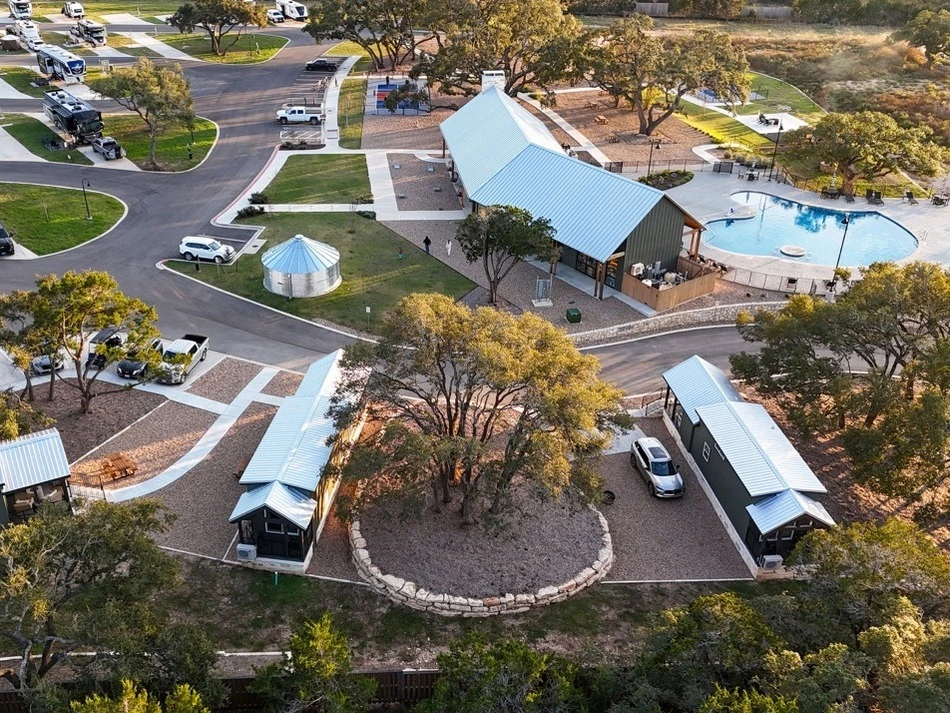
Make your next trip unforgettable by choosing an RV resort that removes the usual worries. Horseshoe Ridge RV Resort is located in the heart of Texas Hill Country, offering a restful home base with amenities such as a resort-style pool, pickleball courts, and welcoming spaces perfect for families. Want a step-by-step guide for your packing checklist? Check out our ultimate RV camping checklist to ensure you never forget a thing. Ready for a well-organized, memory-filled journey? Book your family’s spot at Horseshoe Ridge RV Resort today and discover how easy and fun family adventures can truly be.
Frequently Asked Questions
What are the essential steps to plan a successful family RV trip?
The essential steps include assessing your family’s travel needs, creating a detailed itinerary, budgeting for all trip expenses, preparing the RV, packing essentials and additional comforts, and reviewing and confirming all travel arrangements. Each step ensures a smooth and enjoyable travel experience for the entire family.
How can I involve my family in the trip planning process?
You can involve your family by hosting a collaborative planning session where everyone can contribute ideas. Encourage younger children to choose activities and allow teenagers to research potential stops or attractions, fostering a sense of shared excitement and investment in the journey.
What should I include in my RV packing list for a family trip?
Your RV packing list should include personal clothing, toiletries, medical supplies, entertainment items, cooking utensils, emergency equipment, and personal comfort items like family photos or favorite blankets. Organizing these items into categories will help maximize space and ensure nothing essential is forgotten.
How do I ensure my RV is properly prepared for the journey?
Ensure your RV is prepared by conducting a comprehensive mechanical inspection, testing all internal systems, stocking emergency supplies, and organizing storage efficiently. Pay attention to both safety and comfort to create an enjoyable travel experience for everyone on board.
Recommended
- Essential Checklist for Extended RV Trips: Travel Smart | Horseshoe Ridge RV
- RV Maintenance 101: Stay Road-Ready | Horseshoe Ridge RV Resort
- Understanding Why Use RV Resorts for Vacations | Horseshoe Ridge RV
- Understanding RV Resort Community Culture for Travelers | Horseshoe Ridge RV
- Family Vacation Planning Tips for US Travelers 2025 – Yopki