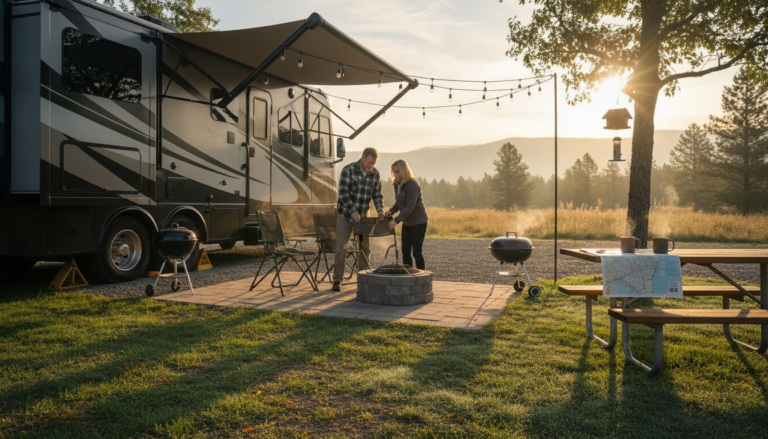
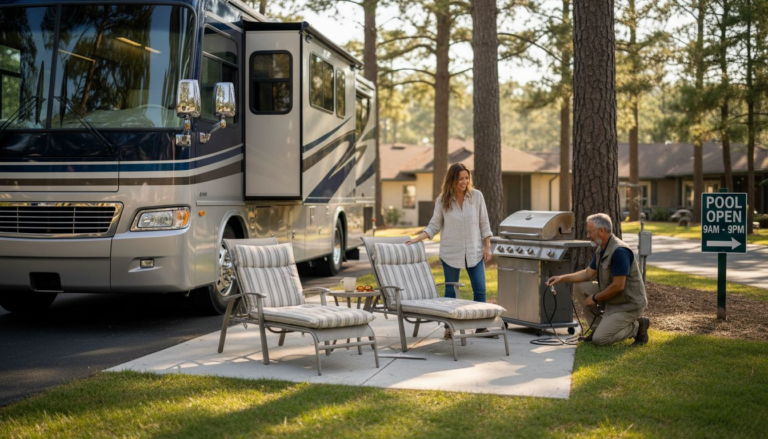
Choosing the perfect weekend escape in the Texas Hill Country often means balancing comfort, privacy, and outdoor adventure. For families and couples craving a blend of luxury and nature, cabin accommodations at RV resorts offer a unique alternative to typical hotel stays, setting you steps from scenic landscapes while providing outstanding amenities. Discover how resort-quality cabins create an unforgettable getaway, with features and conveniences designed for relaxation, connection, and memorable experiences.
Table of Contents
- Cabin Accommodations In Rv Parks Defined
- Types Of Cabins And Guest Profiles
- Key Amenities And Features For Success
- Revenue Growth And Market Position Impact
- Enhancing Guest Experience Beyond Rv Sites
- Comparing Cabins To Traditional Lodging Options
Key Takeaways
| Point | Details |
|---|---|
| Cabin accommodations enhance RV parks | Offering cabins transforms RV parks into versatile lodging options appealing to a broader range of travelers. |
| Diverse cabin types attract various guests | Basic, mid-range, and luxury cabins cater to differing preferences, from budget travelers to those seeking premium experiences. |
| Amenities are vital for guest satisfaction | Comprehensive amenities, including reliable utilities and recreational facilities, significantly enhance the overall guest experience. |
| Cabins provide competitive advantages | Compared to traditional hotels, cabins offer unique, immersive experiences at lower costs, enhancing market positioning for RV parks. |
Cabin Accommodations in RV Parks Defined
Cabin accommodations represent a distinctive lodging option within recreational vehicle parks that bridge the gap between traditional camping and structured overnight stays. Unlike standard tent or RV sites, cabins provide travelers with a more comfortable and controlled environment while maintaining proximity to natural landscapes. Camping and RV accommodation systems typically include these structured shelters as a versatile lodging alternative for diverse traveler preferences.
These accommodations are prefabricated or modular structures designed to offer basic amenities and shelter, catering to guests who desire more convenience than standard tent camping. Most cabin rentals include essential features like electricity, heating, beds, and sometimes small kitchenette areas. The primary goal is to provide a more accessible outdoor experience for individuals who might not own recreational vehicles or prefer more substantial overnight arrangements.
RV park cabin accommodations serve multiple traveler segments, from families seeking weekend getaways to solo adventurers exploring regional destinations. They represent a strategic offering that expands a park’s potential market by providing options beyond traditional RV and tent sites. Accommodation options in campgrounds demonstrate how these structures create flexibility for parks to attract a broader range of outdoor enthusiasts.
Pro tip: When selecting an RV park cabin, carefully review the specific amenities and confirm electrical hookup compatibility with your personal devices and comfort requirements.
Types of Cabins and Guest Profiles
RV park cabin accommodations have evolved to offer a diverse range of styles and configurations that cater to different traveler preferences. Cabin architectural variations demonstrate the spectrum from minimalist rustic designs to fully equipped modern units, providing options for various guest needs and comfort levels.
Typical cabin categories include basic shelters, mid-range units, and luxury accommodations. Basic cabins often feature simple sleeping quarters with minimal amenities, perfect for budget-conscious travelers seeking a closer connection to nature. Mid-range cabins typically include electricity, comfortable beds, and sometimes small kitchenette areas. Luxury cabins represent the high-end market, offering full bathrooms, cooking facilities, climate control, and sometimes scenic views or premium outdoor spaces.
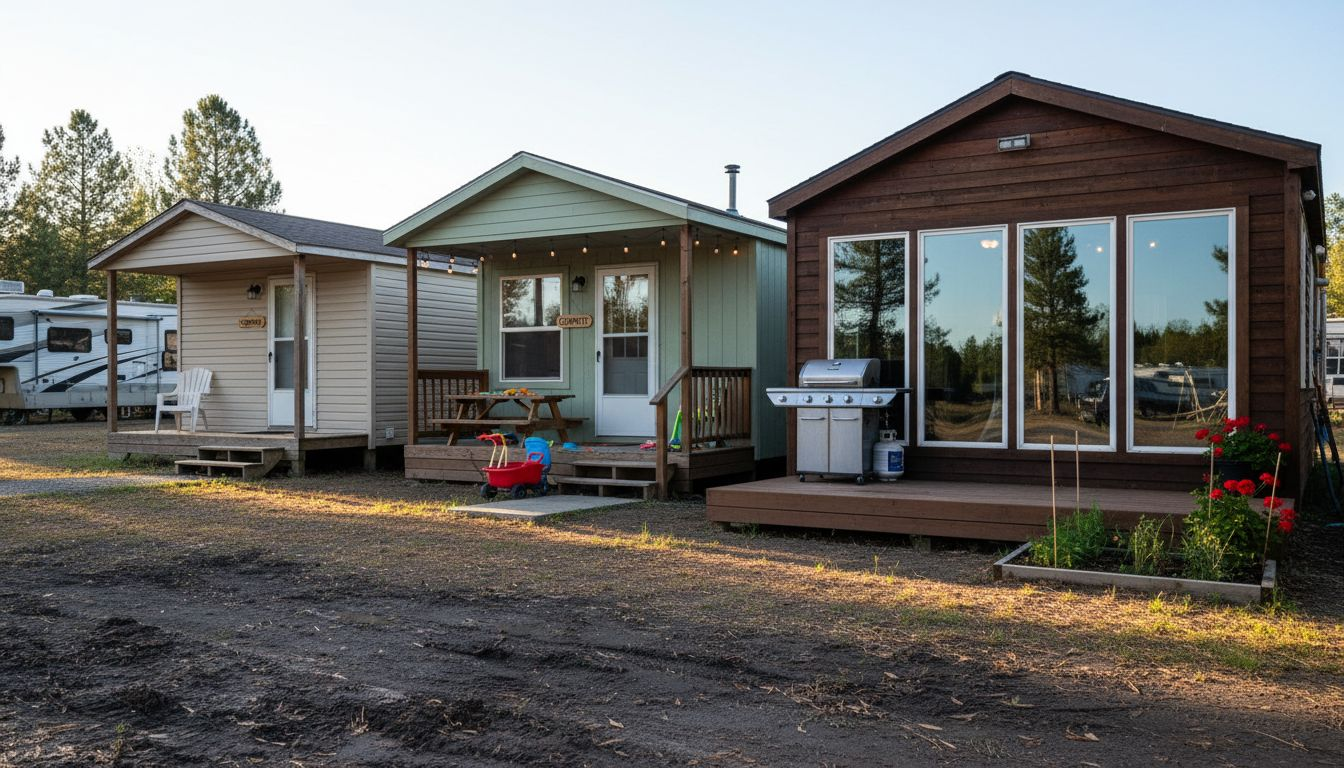
Guest profiles for RV park cabins are remarkably diverse. Camping traveler demographics reveal that cabin renters range from retirees seeking comfortable outdoor experiences to younger digital nomads and families wanting convenient access to natural settings. These accommodations attract individuals who might not own recreational vehicles but still desire the flexibility and adventure of outdoor travel.
Here is a summary of cabin types and the typical guests they attract:
| Cabin Type | Key Features | Typical Guest Profile |
|---|---|---|
| Basic Shelter | Simple beds, minimal amenities | Budget campers, solo travelers |
| Mid-Range Unit | Beds, power, sometimes kitchenette | Families, couples, small groups |
| Luxury Cabin | Full kitchen, bath, climate control | Retirees, premium travelers |
Pro tip: When selecting a cabin, carefully review the specific amenities and layout to ensure the accommodation matches your personal comfort and functional requirements.
Key Amenities and Features for Success
Successful RV park cabin offerings hinge on providing a comprehensive suite of amenities that meet modern travelers’ expectations. Top RV park amenities demonstrate that strategic facility design can significantly enhance guest satisfaction and park occupancy rates. The most effective parks create a balanced environment that combines convenience, comfort, and access to recreational opportunities.
Core amenities essential for success include robust utility infrastructure and thoughtful site design. Critical features encompass reliable electrical hookups (30 and 50 amp options), consistent water access, clean sewer connections, high-speed Wi-Fi, and meticulously maintained bathhouse facilities. Privacy matters tremendously, so strategic placement of cabins with appropriate vegetation buffers and sufficient spacing between units becomes paramount for creating a premium guest experience.
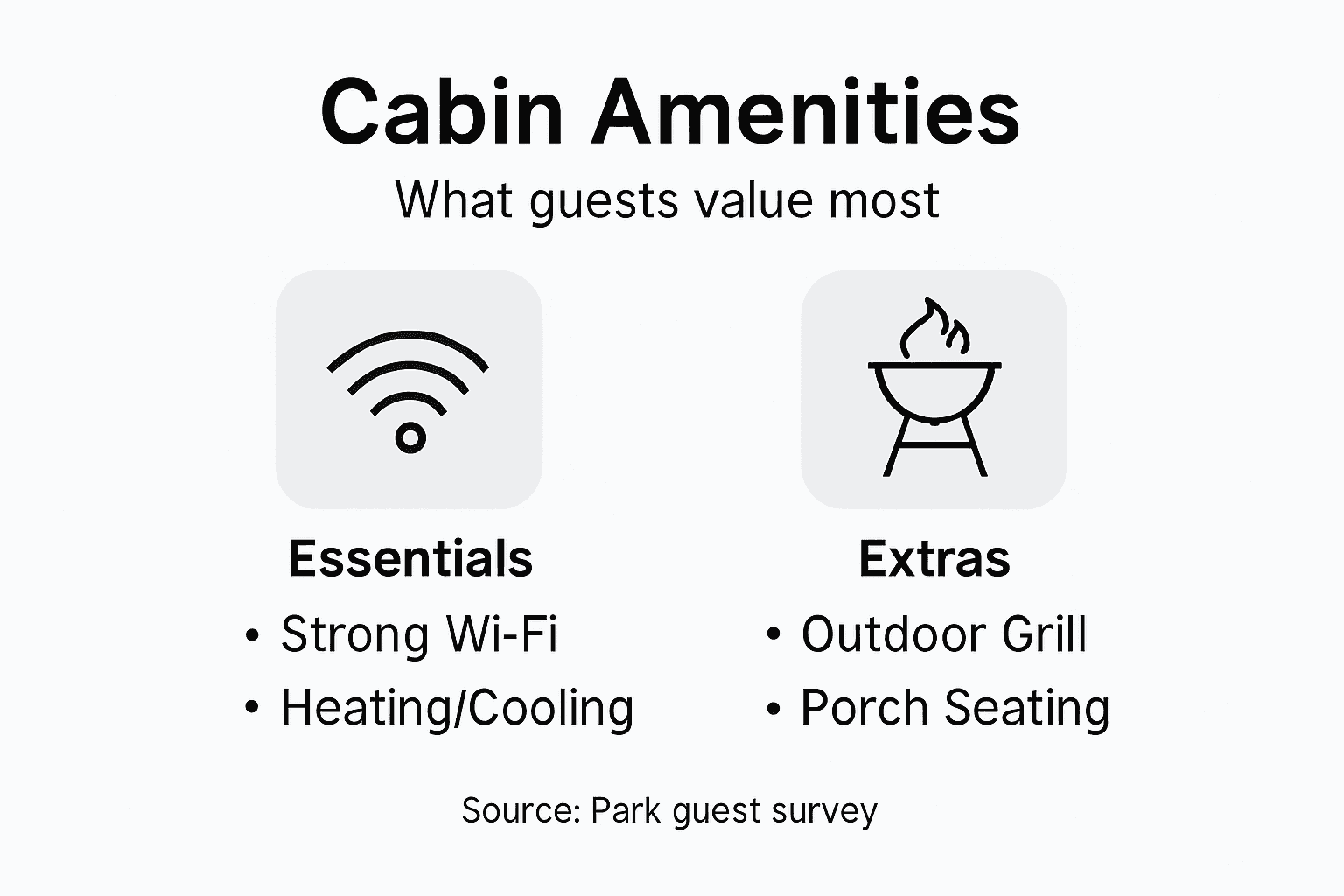
Recreational amenities play a crucial role in differentiating exceptional RV parks from average ones. Resort amenity considerations reveal that guests increasingly seek comprehensive entertainment options. These might include resort-style swimming pools, hot tubs, fitness centers, pickleball or tennis courts, outdoor grilling stations, fire pits, game rooms, and organized community activities that create opportunities for social interaction while maintaining individual comfort and privacy.
Pro tip: Conduct periodic guest surveys to continuously refine your amenities and ensure your offerings remain aligned with evolving traveler preferences and expectations.
Revenue Growth and Market Position Impact
Adding cabin accommodations to RV parks represents a strategic approach to expanding market reach and diversifying revenue streams. RV park development trends demonstrate significant potential for financial growth, with the industry approaching $10.9 billion in total revenue by 2025. By offering multiple accommodation types, parks can attract a broader range of travelers beyond traditional RV enthusiasts, effectively expanding their potential customer base.
The economic advantage of cabin offerings extends beyond immediate booking revenues. These alternative accommodations create opportunities for incremental spending through additional services like equipment rentals, guided experiences, meal packages, and premium amenity access. Parks that strategically design their cabin experiences can establish premium pricing models that reflect the enhanced comfort and convenience compared to standard camping options.
Market positioning becomes increasingly sophisticated with cabin accommodations. By providing diverse lodging options, RV parks transform from single-purpose camping sites into comprehensive hospitality destinations. This approach allows parks to compete more effectively with traditional hotels and resorts, particularly in scenic destinations where travelers seek immersive outdoor experiences without sacrificing comfort. The ability to serve multiple traveler segments simultaneously creates a robust competitive advantage in an evolving recreational tourism landscape.
Pro tip: Develop a dynamic pricing strategy for cabin rentals that adjusts rates based on seasonal demand, local events, and occupancy rates to maximize revenue potential.
Enhancing Guest Experience Beyond RV Sites
Successful RV parks recognize that exceptional guest experiences extend far beyond traditional site offerings. Guest-centric strategies fundamentally transform how travelers perceive outdoor hospitality by creating personalized, interconnected environments that anticipate and exceed visitor expectations. This approach requires a holistic view of guest needs, focusing on comfort, convenience, and memorable interactions.
The key to elevating guest experiences lies in understanding diverse traveler preferences and providing flexible accommodation options. Cabins serve as a critical component of this strategy, offering a bridge between traditional camping and more comfortable lodging. By designing spaces that blend outdoor immersion with modern amenities, RV parks can create environments that appeal to multiple demographic groups – from adventure seekers to comfort-oriented travelers seeking a refined outdoor experience.
Customer connectivity and service personalization represent crucial elements of enhanced guest experiences. This means offering robust Wi-Fi, creating communal spaces that encourage social interaction, providing digital check-in options, and developing tailored recreational programming. Additional touches like curated local experience recommendations, equipment rental services, and personalized welcome packages can transform a standard stay into an extraordinary memory that encourages repeat visits and positive word-of-mouth recommendations.
Pro tip: Implement a digital guest feedback system that allows real-time insights and enables immediate service improvements to continuously refine the guest experience.
Comparing Cabins to Traditional Lodging Options
Cabin accommodations represent a distinctive alternative to conventional hotel and resort stays, offering a unique approach to travel lodging. Cabin lodging positioning reveals a fundamental difference in hospitality philosophy, prioritizing nature immersion and authentic experiences over standardized urban amenities. Unlike traditional hotels that emphasize uniform comfort and predictability, cabin stays invite travelers to engage directly with their surrounding environment.
The economic and experiential advantages of cabin accommodations become evident when comparing them to standard lodging options. Hotels typically offer identical room experiences across multiple locations, whereas cabins provide a sense of place and connection to local landscapes. Pricing for cabins often proves more competitive, with rates significantly lower than boutique hotels or resort rooms. This affordability, combined with increased privacy and proximity to natural settings, makes cabins an attractive option for travelers seeking meaningful, personalized experiences.
Beyond cost considerations, cabin accommodations offer superior flexibility and authenticity. Traditional hotels frequently feel impersonal and disconnected from local contexts, while cabins integrate seamlessly with their surroundings. They provide travelers with an opportunity to experience destinations more intimately, whether situated in mountain regions, forest landscapes, or scenic campground settings. The ability to blend comfort with natural exploration represents a compelling alternative to standardized hotel experiences, appealing to travelers who value genuine, immersive journeys.
This table compares cabin accommodations and traditional hotel stays:
| Factor | RV Park Cabins | Hotels & Resorts |
|---|---|---|
| Nature Access | Direct, immersive | Often limited by location |
| Privacy | High, separate units | Medium, shared hallways |
| Cost | Typically lower | Often higher |
| Local Experience | Authentic, unique | Standardized, less location-specific |
Pro tip: When selecting between cabin and traditional lodging, prioritize your primary travel goals – whether seeking comfort, affordability, or authentic local experiences.
Experience the Best of Texas Hill Country with Our Cozy Cabins and Luxury RV Resort
The article highlights a key challenge for RV parks: expanding appeal beyond traditional RV and tent camping by offering comfortable cabin accommodations that meet diverse guest needs. Many travelers seek a balanced outdoor experience with modern amenities, privacy, and ease of access to nature without the complexity of owning an RV. At Horseshoe Ridge RV Resort, we understand these goals and bring them to life with our three cozy cabins designed for families, couples, and friends who want both comfort and connection to the great outdoors.
Our luxury resort in Wimberley, Texas, situated in the heart of the Texas Hill Country, offers exactly what the article suggests: an immersive natural setting combined with premium amenities like a massive resort-style pool, pickleball courts, fire pits, and spa-like restrooms. Whether you want to enjoy one of our cabins or bring your RV for a stay, we provide flexible accommodations with exceptional facilities that elevate the guest experience beyond ordinary camping. Discover how our offerings align with traveler preferences for privacy, convenience, and authentic local adventures.
Ready to elevate your outdoor getaway with a stay at our luxury cabins or one of our full-service RV sites? Explore availability and book your ideal accommodation today at Horseshoe Ridge RV Resort. Don’t wait—experience the perfect blend of nature, comfort, and recreation right in Texas Hill Country on your next trip.
Frequently Asked Questions
What are the advantages of cabin accommodations in RV parks?
Cabins provide a comfortable, controlled environment closer to nature compared to traditional camping. They offer essential amenities like electricity and heating, making outdoor experiences more accessible for those without RVs.
How do cabin offerings impact revenue for RV parks?
Adding cabins can diversify revenue streams by attracting a broader range of travelers. They can also lead to additional spending on services like equipment rentals and activities, enhancing financial growth for the park.
What types of cabins are available in RV parks?
Cabins typically range from basic shelters with minimal amenities to luxury accommodations with full kitchens and bathrooms. Each type caters to different guest profiles, from budget-conscious campers to families and premium travelers.
How can RV parks enhance guest experiences beyond just providing cabins?
Successful RV parks create personalized and interconnected guest experiences by offering robust amenities, communal spaces, digital check-in options, and curated local experiences, thus ensuring memorable stays that encourage repeat visits.