Planning an RV trip to Texas Hill Country comes down to four decisions: when to go, what route to drive, where to stay, and what to pack. This guide walks through each one — including the best scenic routes between Austin and San Antonio, the must-see attractions, and how to pick the right camping setup for your trip. Horseshoe Ridge RV Resort in Wimberley sits central to most Hill Country itineraries, so we'll use it as the anchor point throughout.
Spring and fall are the best seasons for a Texas Hill Country RV trip — mild weather, wildflowers, and lower crowds. Plan your route around Wimberley, Fredericksburg, Bandera, or Marble Falls as your anchor towns, build in stops for wineries and swimming holes, and book full-hookup RV sites or cabins ahead of holiday weekends. Ready to start planning? Call 737-307-2288 or reserve online.
When is the best time to take an RV trip to Texas Hill Country?
Spring (March through May) is the sweet spot. Temperatures sit in the high 60s to low 80s during the day, the bluebonnets and Indian paintbrush light up the roadsides from late March through April, and small towns run festivals and farmers' markets through the season. Book early — peak wildflower weeks and Easter weekend fill the popular resorts fast.
Fall (September through November) runs a close second. Cooler weather makes hiking and outdoor dining genuinely pleasant, autumn foliage adds color (cypress trees along the rivers turn copper in October), and seasonal events like Oktoberfest in Fredericksburg pull crowds for good reason.
Summer (June through August) is hot — daytime temperatures push past 95°F most days and humidity climbs. The trade-off is that summer is peak season for river tubing on the Guadalupe and Blanco, swimming at Blue Hole, and lake days on Lake LBJ and Canyon Lake. Book shaded sites, pack extra water, and plan your driving for early morning or evening.
Winter (December through February) is the underrated season. Fewer crowds, lower campground rates, mild daytime temperatures (50s-60s most days), and excellent stargazing in the dark-sky areas around Fredericksburg and Llano. The trade-off is that some seasonal businesses close from November through March, and occasional cold snaps can drop temperatures into the 20s overnight — plan accordingly.
What's the best scenic route for a Hill Country RV trip?
Three classic routes cover most of Hill Country between Austin and San Antonio. Pick one based on the kind of trip you want — wine and small towns, Western culture and rivers, or swimming holes and presidential history.
Route 1: Austin → Dripping Springs → Fredericksburg → Marble Falls. The wine-and-distillery route. Start in Austin for live music and food trucks, drive west through Dripping Springs for craft breweries and wineries, push north to Fredericksburg for German heritage and Main Street shopping, then loop back through Marble Falls for lake access and small-town dining. Five to seven days makes this comfortable.
Route 2: San Antonio → Bandera → Kerrville → Marble Falls. The Western-and-river route. Start in San Antonio for the Alamo and River Walk, head west to Bandera (the Cowboy Capital of the World) for honky-tonks and trail rides, continue north to Kerrville for Guadalupe River access, then push toward Marble Falls for waterfalls and wineries. Strong for first-time visitors who want the broader Hill Country experience.
Route 3: Wimberley → Blanco → Johnson City → Fredericksburg. The swimming-holes-and-history route. Base in Wimberley for Jacob's Well and Blue Hole Regional Park, day-trip to Blanco for state park hiking and craft beer, hit Johnson City for LBJ's National Historic Park, then close in Fredericksburg for wineries and Enchanted Rock. This is the route we recommend most often — it covers the highest-impact stops in the smallest geographic loop, and Horseshoe Ridge RV Resort in Wimberley sits at the natural starting point.
Whichever route you pick, download offline maps before you leave. Cell coverage is genuinely spotty between towns, and Hill Country roads include enough low-water crossings that you'll want backup navigation if a route reroutes during a rainstorm.

What are the must-see attractions in Texas Hill Country?
Hill Country attractions fall into three groups: natural wonders for hiking and swimming, wineries and breweries for slower afternoons, and small-town stops for food, music, and history. Most trips end up hitting some mix of all three.
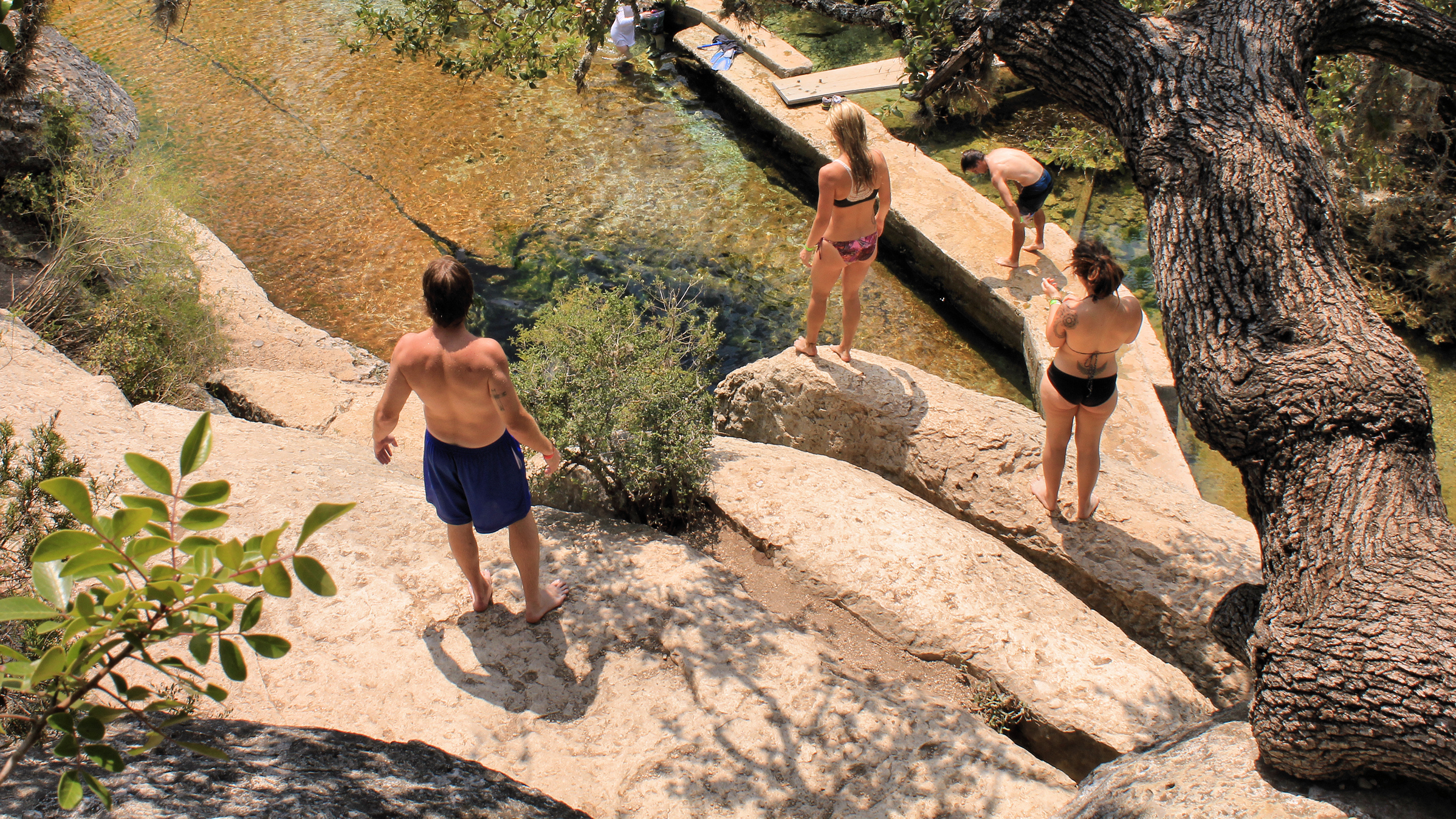
Natural wonders and outdoor adventures. Enchanted Rock State Natural Area near Fredericksburg is the iconic pink granite dome — hike to the top for panoramic views and arrive early on weekends to avoid the entry-line cutoff. Pedernales Falls State Park is the swimming-and-picnicking pick, with rocky cascades and shallow pools. Garner State Park on the Frio River is the family favorite for river tubing and traditional RV camping. Closer to Wimberley, Jacob's Well and Blue Hole Regional Park are the famous spring-fed swimming spots — swimming at Jacob's Well is closed until further notice, and Blue Hole needs a summer reservation.
Wineries, breweries, and distilleries. Grape Creek Vineyards in Fredericksburg leads the wineries — top-rated, with a Tuscany-style tasting room. Real Ale Brewing Co. in Blanco is the craft beer destination. Dripping Springs Distilling produces award-winning Texas spirits and runs tasting tours. The Fredericksburg-Stonewall corridor along Route 290 is the densest cluster of wineries — easy to hit 3-4 in a day if you have a designated driver or use a wine tour shuttle.
Small-town gems and historic sites. Luckenbach (population 3) is the legendary live music spot — show up Sunday afternoon for the picker's circle. Fredericksburg's main street covers German food, boutique shopping, and the National Museum of the Pacific War. Johnson City is home to LBJ National Historical Park, with the LBJ Ranch and the Texas White House open for tours. Wimberley's town square has art galleries, the Wimberley Market Days (first Saturday of each month), and easy access to the Blanco River.
If you're basing in Wimberley specifically, our roundup of 8 best things to do in Wimberley covers the local attractions in more detail.
What type of camping is right for you in Hill Country?
Hill Country offers four broad camping types, and picking the right one is the first real planning decision. Match the camping type to your group, your rig, and how much comfort you want.
Primitive backcountry sites. No hookups, minimal facilities, maximum solitude. Found mostly in remote sections of state parks and natural areas. Best for experienced campers comfortable hauling water and managing waste. Not appropriate for big rigs or first-time RVers.
Developed state park campgrounds. Water spigots, vault toilets, sometimes electric pedestals, fire rings. Found at parks like Pedernales Falls, Garner, and Inks Lake. Good middle-ground for families and beginner RVers — affordable, scenic, and you're inside the park. Book months ahead for spring and summer; Texas state park reservations open 5 months in advance and the popular weekends fill within hours.
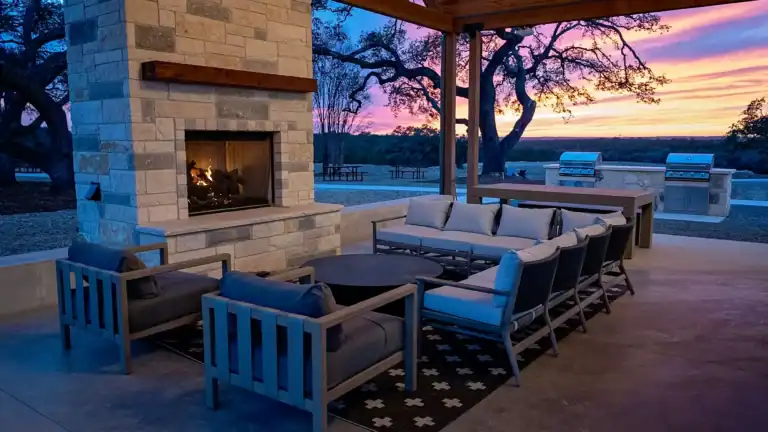
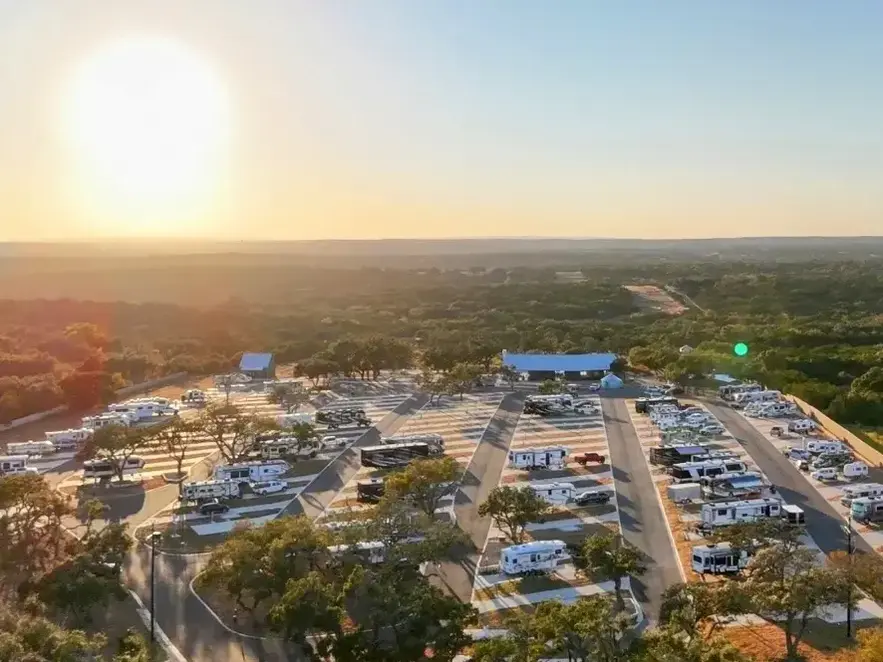
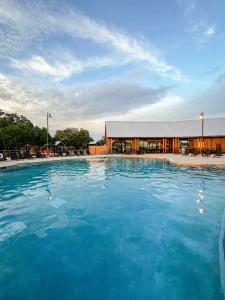
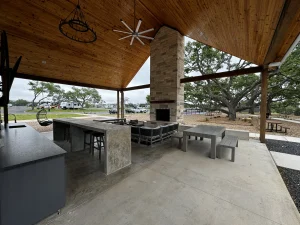
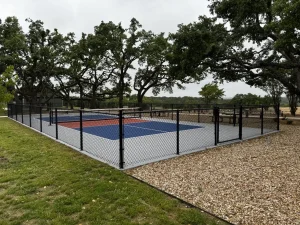
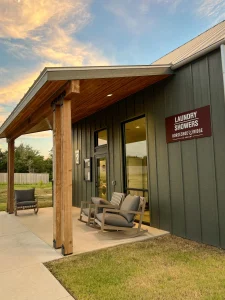
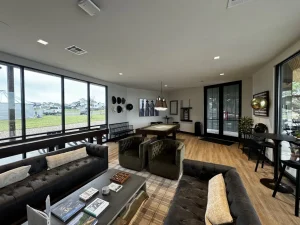
Full-service RV resorts. Water, sewer, 30/50-amp electric (20/30/50 at Horseshoe Ridge), Wi-Fi, plus resort amenities like pools, pickleball courts, on-site cabins, and bath houses. This is what most travelers want for a comfortable Hill Country base — especially for stays longer than two nights or for groups with mixed lodging needs. Horseshoe Ridge falls into this category.
Group camping areas. Designated sections at certain state parks and some private resorts for organized groups, reunions, or large parties. Often require advance coordination and minimum group sizes.
For most first-time Hill Country RV trips, a full-service RV resort makes the trip noticeably better — reliable hookups, predictable Wi-Fi, and amenities that justify the trip even on a rainy day. Our guide on what makes Texas Hill Country resorts unique covers the regional differences in more depth.
Where should you stay during your Hill Country RV trip?
Pick one anchor town and day-trip out. Hill Country covers about 25 counties, and chasing the whole region from a new park every night kills the trip. Wimberley, Fredericksburg, Bandera, and Marble Falls all work as anchor towns depending on the route you've picked.
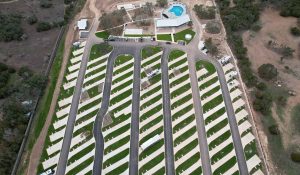
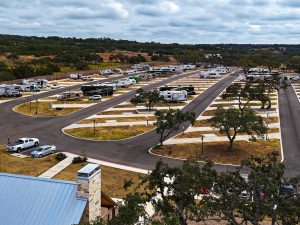
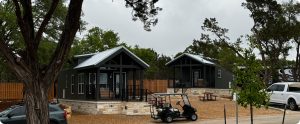
For most travelers, Wimberley wins on central location — 45 minutes from Austin, 70 from San Antonio, and minutes from Jacob's Well, Blue Hole, Driftwood (BBQ country), and the wineries between Dripping Springs and Fredericksburg. Horseshoe Ridge RV Resort offers 124 full-hookup sites with fiber Wi-Fi, three furnished cabins for non-RV travelers in your group, and monthly stays for snowbirds and full-timers.
For broader options across the region, our roundup of the 8 top RV parks in Texas covers luxury, family, and practical picks across Hill Country and East Texas. If you're planning a family trip specifically, the best family-friendly RV resorts in Texas filters the list by family-appropriate amenities.
For couples planning a quieter trip, romantic RV getaways in Texas covers the couples-focused picks. For long-term travelers, the best long-term RV resort in Texas guide walks through what to prioritize for monthly stays.
What should you pack for a Hill Country RV trip?
The technical RV gear comes first — leveling blocks, wheel chocks, freshwater and sewer hoses, surge protector, power adapter for the pedestal, and an RV-rated GPS that knows about low bridges. Hill Country has plenty of older roads with low clearances, and a regular car GPS will route you under bridges you can't fit through.
Outdoor essentials cover the rest. Camp chairs and a folding table for outside the rig, sunscreen and bug spray (Hill Country mosquitoes are real, especially near rivers), a first aid kit with kid-strength meds if you're traveling with kids, swimsuits and quick-dry towels for the swimming holes, and hiking shoes with grip — the limestone trails get slick when wet. Paper maps as backup for offline areas where cell service drops.
Our ultimate RV camping checklist covers the full list including the technical RV stuff most first-timers forget.
How do you stay safe on an RV trip in Hill Country?
Three things matter most: weather awareness, fuel planning, and respecting low-water crossings. Hill Country sees flash floods, especially in spring and fall — when a creek bed is dry one day and four feet deep the next. The rule is simple: never drive through a flooded crossing. "Turn around, don't drown" is the state's tagline for a reason.
Plan fuel stops on longer routes. Some stretches of Hill Country between small towns have limited gas stations, and pulling a rig through 40 miles of two-lane road without a fuel option is the kind of mistake you only make once. Cell service is spotty enough that you can't always rely on phone-based fuel finders — download offline maps and screenshot fuel locations before the trip.
Respect quiet hours and park policies wherever you stay. Most resorts (Horseshoe Ridge included) run 10 PM to 8 AM quiet hours and posted speed limits inside the park. Secure loose items inside the rig before driving — Hill Country roads have some curves that surprise drivers expecting flat Texas highways.
Practice Leave No Trace at any natural site — pack out trash, stay on marked trails, don't disturb wildlife. Hill Country is ecologically sensitive (the region supports endemic species found nowhere else), and the swimming holes especially depend on visitors not trashing them.






Frequently asked questions about planning a Hill Country RV trip
When is the best time to take an RV trip to Texas Hill Country?
Spring (March through May) and fall (September through November) are the sweet spots — mild temperatures, lower crowds, and Hill Country wildflower season runs late March through April. Summer is hot but peak for river tubing and swimming holes. Winter is the underrated season with low rates, fewer crowds, and excellent stargazing.
How long should a Hill Country RV trip be?
Five to seven days is the sweet spot for first-time visitors — enough to cover one of the three classic routes without rushing. Long weekends (3-4 days) work if you pick one anchor town and limit day trips. Snowbirds and remote-working families often stay 2-4 weeks, using monthly RV stays as a flexible base.
What's the best town to base an RV trip out of?
Wimberley wins on central location for most travelers — 45 minutes from Austin, 70 from San Antonio, and minutes from Jacob's Well, Blue Hole, and the wineries between Dripping Springs and Fredericksburg. Fredericksburg works if your trip centers on wine country. Bandera fits Western-themed trips. For a deeper look at why Wimberley specifically, our guide on why choose Wimberley, Texas covers the case.
Do I need full hookups for a Hill Country RV trip?
For trips longer than two nights, yes. Full hookups (water, sewer, 30/50-amp electric) eliminate the hassle of dump stations and water refills mid-trip. State park sites often have partial hookups (water and electric, no sewer) which work fine for shorter stays. If you're remote-working or streaming, prioritize parks with fiber Wi-Fi — Hill Country cell service can be spotty.
How far in advance should I book?
For holiday weekends and peak wildflower season (late March through April), book 2-3 months ahead. For regular spring and fall weekends, 4-6 weeks is usually enough. Texas state parks open reservations 5 months in advance, and the popular weekends fill within hours of opening. Private RV resorts like Horseshoe Ridge tend to have more flexibility but still benefit from advance booking.
Is Hill Country good for big rigs?
Yes, with planning. Look for parks that advertise big-rig-friendly sites and wide paved roads. At Horseshoe Ridge, pull-through sites run about 77 feet and there is no rig-length limit. Avoid older state park campgrounds with tight loops if you're over 35 feet. An RV-rated GPS is essential — regular car GPS will route you under bridges and through neighborhoods you can't navigate.
What if I don't have an RV but want to do the trip?
Most resort-style RV parks have on-site cabin rentals that give you the same location and amenities without needing an RV. Horseshoe Ridge has three furnished luxury cabins with full kitchens, Wi-Fi, and private patios.