Ultimate Checklist for RV Travel: Prep to Arrival Guide

More than forty million American households hit the road in an RV each year, embracing adventure and freedom on wheels. For any American traveler, missing just one crucial document or skipping a vehicle check can turn a dream trip into a stressful ordeal. This guide brings together the must-know steps to organize critical paperwork, prep your RV, pack smart, and plan a safe route so you can travel with total confidence.

Table of Contents

Quick Summary

Key Point Explanation
1. Gather essential RV travel documents Collect documents like licenses, registration, and insurance to ensure a smooth trip.
2. Inspect RV systems thoroughly Conduct a complete systems check to avoid breakdowns and ensure safety on the road.
3. Pack strategically for comfort Organize packing into categories to maximize space and include essentials for a pleasant journey.
4. Plan route and reserve sites in advance Research routes and confirm campground reservations to facilitate a hassle-free travel experience.
5. Verify safety and final readiness Perform last-minute checks of all systems and documentation to ensure safe travel.

Step 1: Gather Essential RV Travel Documents

Preparing the right documentation is your first critical task before hitting the open road in your RV. Having all necessary paperwork organized and easily accessible will help you navigate unexpected situations and ensure a smooth travel experience.

Start by collecting key personal and vehicle documents. Essential documentation for RV travel includes your driver’s license, vehicle registration, current insurance cards, roadside assistance information, and a copy of your RV’s maintenance records. Make multiple copies of these documents and store digital backups in secure cloud storage or email them to yourself as an extra precaution.

In addition to vehicle documentation, pack important personal identification papers such as your passport, birth certificate, and medical insurance cards. Consider creating a travel folder or waterproof document holder to keep everything protected and organized. Group documents by category and use plastic sleeves or dividers to separate different types of paperwork.

Pro tip: Scan and create digital copies of all important documents and save them in a secure, password-protected digital folder that you can access from your smartphone or laptop in case of emergency.

Here’s a summary of key document types and how they support RV travel safety and convenience:

Document Type Why It’s Essential Best Storage Method
Driver’s License Legal operation and identification Physical and digital copies
RV Registration Proof of ownership and road legality Travel folder and cloud file
Insurance Cards For accident claims or roadside help Waterproof pouch and cloud
Medical Insurance Access to healthcare on the road Physical card and app copy
Maintenance Records Service verification and resell value Scanned files and paper copy

Step 2: Inspect and Prepare RV Systems

Ensuring your RV is in top condition before embarking on a trip is crucial for a safe and enjoyable journey. A thorough systems inspection will help prevent unexpected breakdowns and potential roadside emergencies.

Comprehensive RV preparation checklists recommend starting with a systematic examination of your vehicle’s critical systems. Begin with the electrical system by checking battery connections, ensuring they are clean and tight, and testing the charge level. Inspect all interior and exterior lights to confirm they are functioning properly. Next, examine the plumbing system for any leaks or potential issues checking water pump functionality, examining seals around windows and doors, and testing all faucets and water connections.

Move on to the mechanical systems including tires, brakes, and engine components. Check tire pressure and tread depth, looking for any signs of wear or damage. Inspect brake pads, rotors, and brake fluid levels. Review your RV’s maintenance records and perform or schedule any recommended service work before your trip. Verify that all safety equipment including fire extinguishers, smoke detectors, and carbon monoxide alarms are in working order and have current batteries.

Man checking RV tire with checklist

Pro tip: Create a digital checklist on your smartphone that you can update and track during your RV system inspection to ensure you never miss a critical maintenance step.

Step 3: Pack for Comfort and Convenience

Successful RV travel begins with strategic packing that balances practicality and comfort. Your goal is to maximize space while ensuring you have everything needed for an enjoyable journey.

Comprehensive RV travel packing guides recommend organizing your gear into distinct categories for efficient storage and easy access. Start with kitchen essentials including compact cookware, versatile utensils, lightweight dishes, and multipurpose cooking tools that save space. Pack lightweight clothing that can be layered and mix-matched to accommodate changing weather conditions. Include outdoor gear like camping chairs, compact tables, and versatile equipment that enhances your travel experience.

Packing categories for organized RV travel

Prioritize practical items that serve multiple purposes while maintaining comfort. Include essential electronics like smartphone chargers, portable battery packs, and compact entertainment devices. Pack a comprehensive first aid kit, emergency tools, and backup communication devices. Consider space-saving storage solutions such as collapsible containers, vacuum storage bags, and multipurpose organizational systems that help maximize your RV’s limited storage capacity.

Pro tip: Create a digital inventory spreadsheet of your packed items that you can access on your smartphone, helping you track what you have and avoid overpacking while ensuring you do not forget critical items.

Step 4: Plan Route and Reserve Sites

Successful RV travel starts with meticulous route planning and strategic site reservations. Your journey will be smoother and more enjoyable when you carefully map out your travel details and secure your accommodations in advance.

Comprehensive trip planning checklists recommend beginning your preparation by researching potential routes and destinations. Start by identifying your primary travel goals and must-see locations along your planned path. Use online mapping tools and RV specific navigation apps to chart a route that accommodates your RV’s size and weight restrictions. Consider factors like road conditions, potential construction zones, fuel stop locations, and campground accessibility. When selecting campsites or RV parks, look beyond just availability and examine amenities, proximity to attractions, electrical hookups, water access, and site dimensions that match your specific RV model.

Develop a flexible itinerary that allows for spontaneity while maintaining a structured travel plan. Contact potential campgrounds or RV resorts directly to confirm reservation details, understand their specific requirements, and ask about any seasonal restrictions or additional fees. Create digital and physical copies of your reservation confirmations, campground contact information, and backup alternative sites in case of unexpected changes. Research the surrounding area for potential activities, local attractions, emergency services, and nearby supply locations to ensure a comprehensive travel strategy.

Pro tip: Use a dedicated travel planning app or digital spreadsheet to track your route, reservations, and important contact information, allowing you to easily modify your plans and access critical details from your smartphone.

This table compares digital organization tools to traditional methods for RV travel planning:

Method Key Benefits Common Risks
Digital Tools Easy access, quick edits, sharing Device failure, battery
Paper Content No power needed, visible at a glance Lost papers, hard to update
Cloud Storage Remote backup, access anywhere Internet needed, security

Step 5: Verify Safety and Final Readiness

The final preparation stage is crucial for ensuring a safe and smooth RV journey. Your last checks will help prevent potential issues and provide peace of mind before hitting the road.

Comprehensive RV pre-trip safety checklists recommend a systematic approach to final safety verification. Start by performing a comprehensive external inspection of your RV including checking tire pressure, examining wheel lug nuts, and ensuring all exterior lights and signals are functioning correctly. Review your emergency kit and confirm it contains essential items such as first aid supplies, warning triangles, fire extinguisher, basic tools, flashlights, and backup batteries. Verify that your communication devices including smartphones, GPS systems, and emergency radios are fully charged and have backup power sources.

Prepare your personal and vehicle documentation for easy access during travel. Make digital and physical copies of important documents including insurance information, roadside assistance details, medical information, and emergency contact lists. Check your vehicle registration and ensure all required permits and paperwork are current and readily available. Review your planned route one final time and share your travel itinerary with a trusted friend or family member who can serve as an emergency contact. Perform a final interior check to secure all loose items, ensure windows and doors are properly sealed, and confirm that all systems are operational.

Pro tip: Create a digital safety folder on your smartphone with scanned copies of all critical documents and emergency information that can be quickly accessed offline in case of limited internet connectivity.

Experience Ultimate Comfort After Completing Your RV Travel Checklist

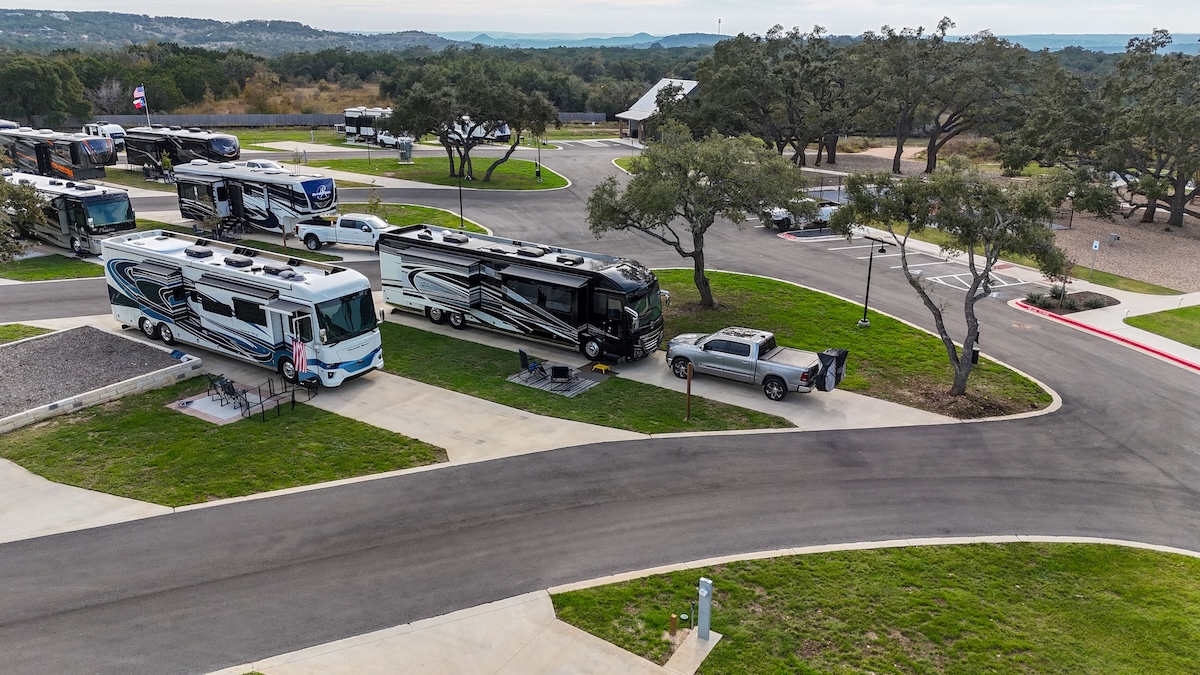
Preparing your RV for the perfect trip requires careful attention to documents, system checks, packing, and route planning as outlined in the Ultimate Checklist for RV Travel guide. We understand the importance of having a peaceful and luxurious place to unwind after ensuring every detail of your journey is covered. At Horseshoe Ridge RV Resort, nestled in the beautiful Texas Hill Country, you will find a relaxing escape offering exceptional amenities like a resort-style pool, pickleball courts, and spa-like bathhouses to recharge after a day on the road.

Make your RV travel even better by selecting a stay with us where comfort meets convenience. Whether you want to take advantage of our cozy cabins for family and friends or enjoy our spacious RV sites ideal for transient and monthly stays, we welcome you to plan your visit today. Begin your seamless RV travel adventure by exploring our current availability and booking easily here at Horseshoe Ridge RV Resort and ensure your next trip to the Texas Hill Country is truly unforgettable.

Discover how our tranquil location combined with thoughtful amenities completes your trip preparation checklist. Secure your spot now and relax knowing your journey ends in comfort.

Frequently Asked Questions

What essential documents do I need for RV travel?

To ensure a smooth RV journey, gather your driver’s license, vehicle registration, current insurance cards, and medical insurance information. Organize these documents in a waterproof folder and create digital copies for backup.

How do I prepare my RV systems before hitting the road?

Inspect your RV’s critical systems, including the electrical, plumbing, and mechanical components. Check battery connections, tire pressure, and safety equipment, and perform any necessary maintenance before your trip.

What should I pack for comfort and convenience on an RV trip?

Pack strategically by organizing items into categories such as kitchen essentials, clothing, and outdoor gear. Aim to include multipurpose tools and space-saving storage solutions to maximize your RV’s capacity.

How can I effectively plan my route and reserve campsites?

Start by researching your desired travel routes and identifying must-see locations. Use RV-specific navigation apps to chart your path and book campsites in advance to secure your accommodations and avoid last-minute issues.

What final safety checks should I perform before starting my RV trip?

Conduct a comprehensive external inspection of your RV, checking tire pressure and lights, and ensure your emergency kit is stocked. Verify all personal and vehicle documentation is organized for easy access during your travels.

How can I share my travel itinerary for safety on the road?

Before departure, share your planned route and itinerary with a trusted friend or family member. This ensures someone knows your travel plans, enhancing your safety in case of emergencies.

Table of Contents

Contact Booking

Call Us

(737) 257 6823

Follow Us On

Related Articles

1771293255224_image
Read More
1771216330853_image
Read More
1771121172948_image
Read More