If you’ve spent any time around RVers, you’ve heard of the 3/3/3 rule (also written 3-3-3, or simply “3 3 3”). It’s the unofficial golden rule of road-tripping in an RV — and the simplest way to keep a trip relaxed instead of exhausting. Here’s exactly what the 3/3/3 rule means, how the 2/2/2 and 3-3-2 versions compare, and when it’s perfectly fine to bend them.
The 3/3/3, 2/2/2, and 3-3-2 rules at a glance
What is the 3/3/3 rule for RV travel?
The 3/3/3 rule breaks a travel day into three easy limits: drive no more than 300 miles, arrive by 3 p.m., and stay put for at least 3 nights. Each number solves a common road-trip headache — too many miles, too little daylight, and too little downtime.
What is the 2/2/2 rule (and the 3-3-2 rule)?
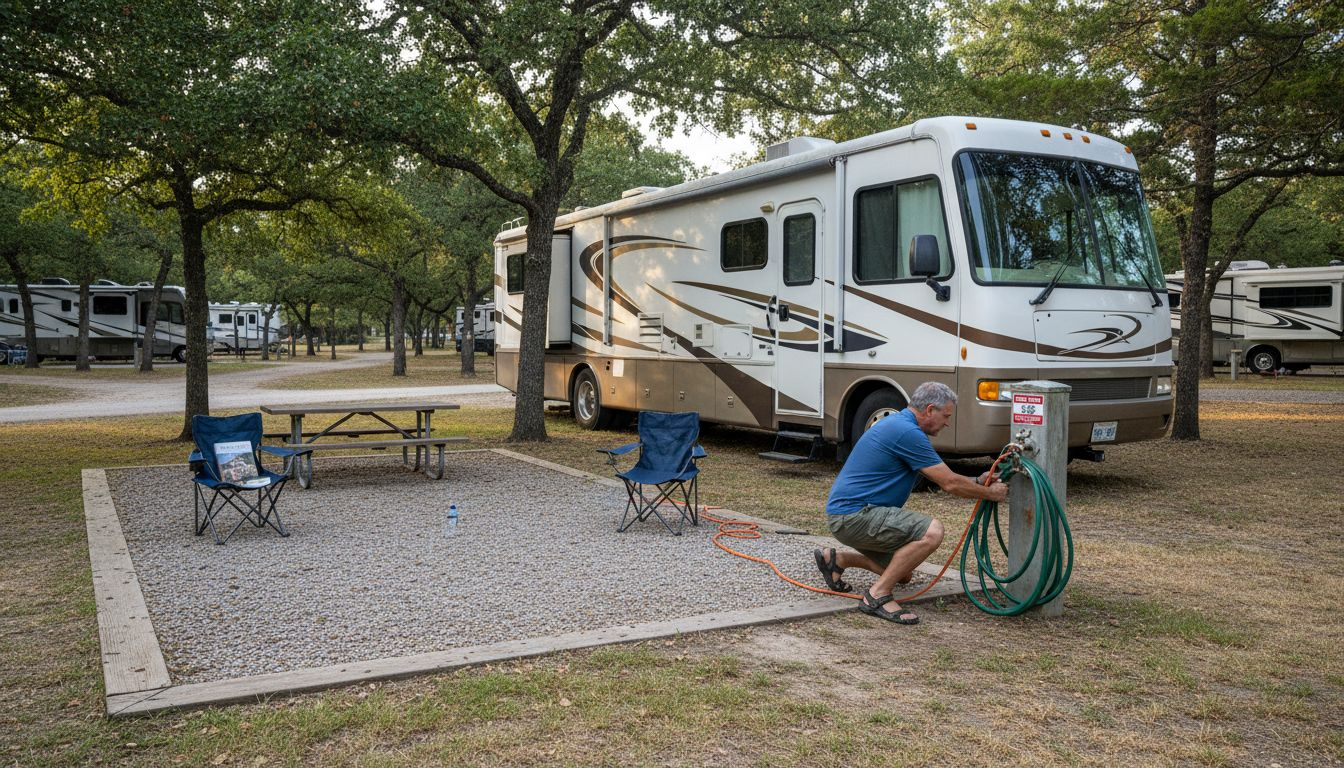
The 2/2/2 rule dials everything back for a gentler pace: drive no more than 200 miles, stop to stretch and check your rig every 2 hours, and stay at least 2 nights (some versions say arrive by 2 p.m.). It’s the better fit for brand-new RVers, big rigs, or mountain routes. The 3-3-2 rule splits the difference — 300 miles and a 3 p.m. arrival, but only a 2-night minimum when you’re covering ground.
Why do these rules make RV trips safer and less stressful?
Three reasons. Fatigue: towing 300+ miles is far more tiring than the same drive in a car, and tired driving is the biggest risk on any RV trip. Daylight: arriving by mid-afternoon means you back in, level, and hook up while you can still see what you’re doing. Recovery: a multi-night stay lets everyone reset instead of breaking camp at dawn again. The rules aren’t about rigid math — they’re about leaving yourself margin.
Do you actually have to follow the 3/3/3 rule?
No — it’s a guideline, not a law. Plenty of experienced RVers run longer days or quick one-night stopovers when they’re just repositioning. Break it when it makes sense: an overnight between destinations, an early arrival to beat weather, a confident driver on familiar interstate. The spirit is what matters — short enough days, daylight arrivals, and enough time to enjoy where you land.
How to plan a relaxed 3/3/3 trip to the Texas Hill Country
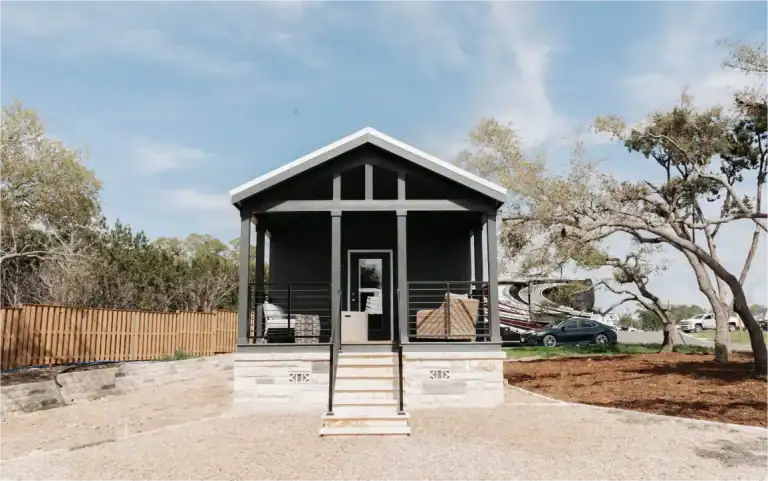
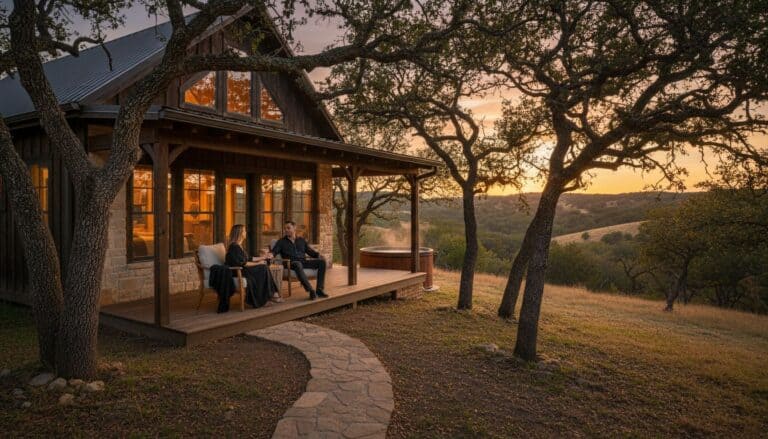
The 3/3/3 rule and Horseshoe Ridge were made for each other: arrive by 3, stay 3 nights, and you’ve got the perfect unhurried Hill Country stop. Our full-hookup concrete pads make daylight setup quick, the RV sites are big-rig friendly, and there’s plenty to do once you’re parked so a 3-night minimum flies by. Pack with our travel trailer checklist, book your stay (or settle in longer with monthly stays), then fill your days with activities at the resort and Hill Country day trips.
Planning your Texas Hill Country escape? Browse RV sites, cabins, and availability.
Explore the Resort →Questions about check-in, length of stay, or what’s included? It’s all on our FAQ page.

Frequently asked questions about the 3/3/3 rule
What does 3/3/3 mean in RVing?
Is the 3/3/3 rule the same as the 2/2/2 rule?
How many miles should you drive per day in an RV?
What is the 3-3-3 rule for camping?
Who created the 3/3/3 rule?